
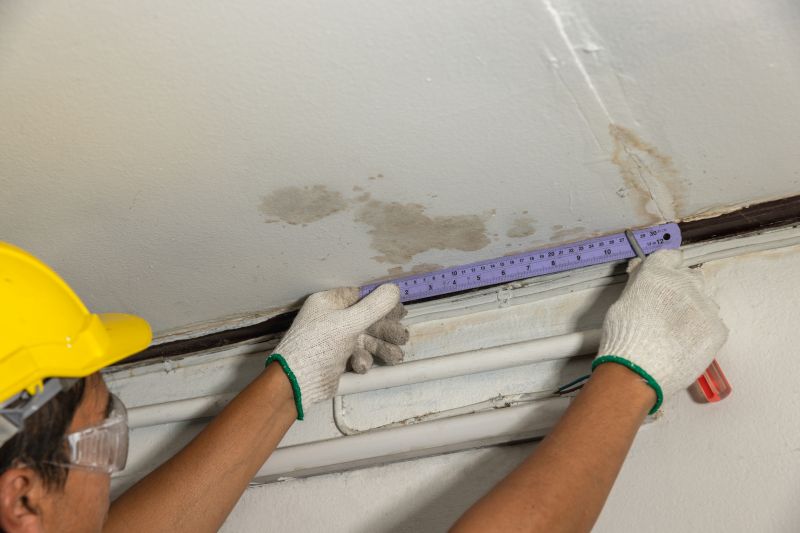
Attic Water Damage Repair in Denver County, CO
Attic water damage repair services address issues caused by leaks, roof breaches, or plumbing failures that result in water intrusion into the attic space. These projects typically involve removing standing water, drying out affected materials, and repairing or replacing damaged insulation, drywall, and structural elements. Homeowners often seek this service after discovering water stains, mold growth, or musty odors in their attic, aiming to prevent further deterioration and protect the integrity of their property.
Before requesting attic water damage repair, property owners usually want to understand the extent of the damage, the types of materials affected, and the potential for mold growth or structural compromise. Clarifying these points helps determine the appropriate scope of work and ensures that necessary repairs address both visible damage and underlying issues, such as leaks or ventilation problems, to prevent future water intrusion.
Many property owners in Denver County, CO look into Attic Water Damage Repair for repairs, replacements, upgrades, and appearance-related improvements.
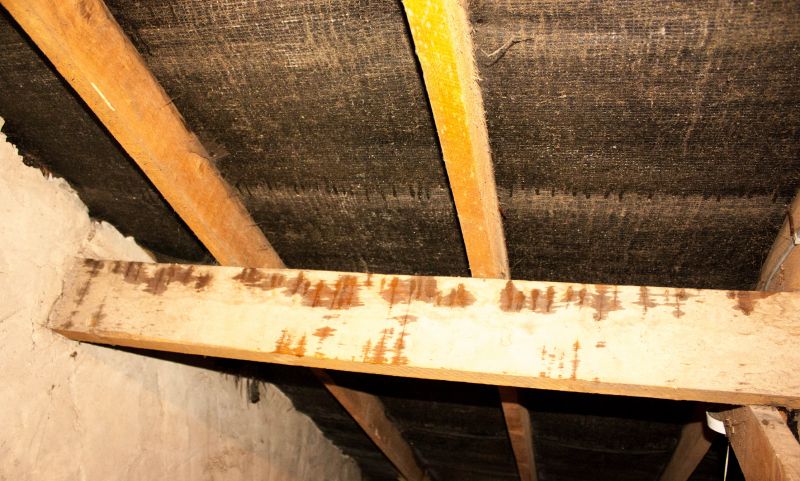
Attic Water Damage Causes
Understanding common sources of attic water intrusion helps prevent extensive damage in denver county homes.
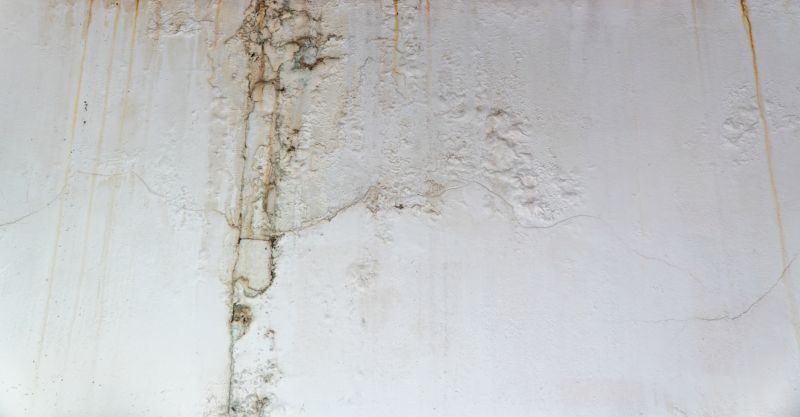
Signs Of Attic Water Damage
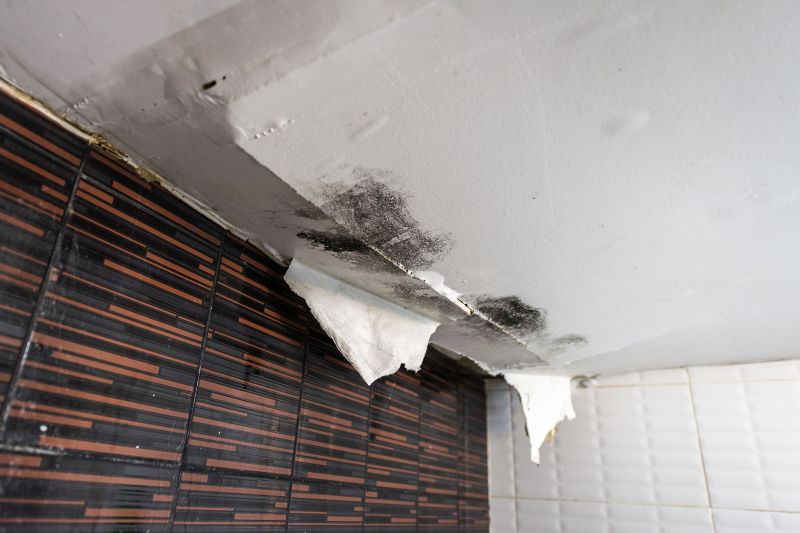
Indicators like mold growth, staining, and musty odors can reveal hidden water issues in attic spaces.
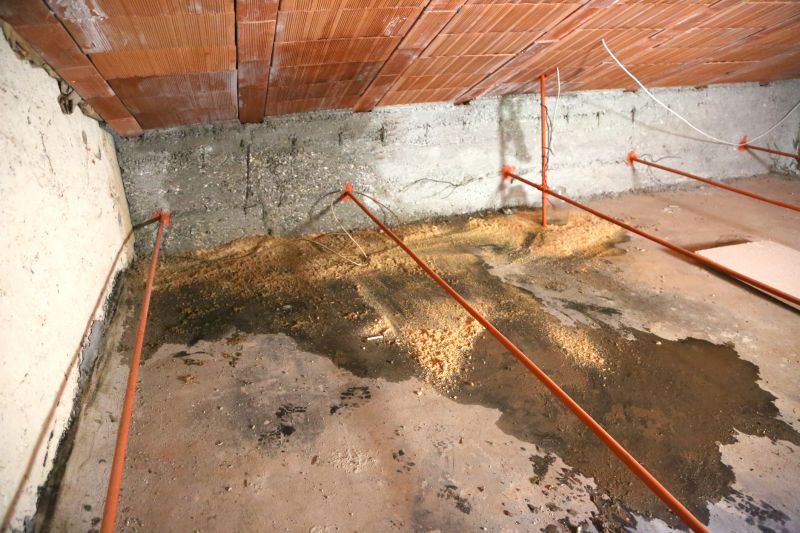
Restoration And Repair Options
Effective repair solutions restore attic integrity and protect property value after water damage incidents.
Attic Water Damage Repair in Denver County, CO
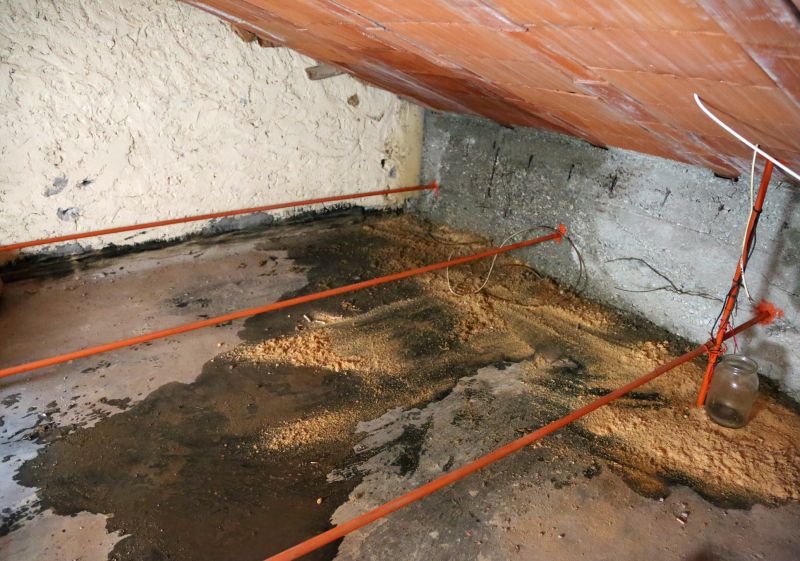
Attic water damage repair services address issues caused by leaks, roof breaches, or plumbing failures that result in water intrusion into the attic space. These projects typically involve removing standing water, drying out affected materials, and repairing or replacing damaged insulation, drywall, and structural elements. Homeowners often seek this service after discovering water stains, mold growth, or musty odors in their attic, aiming to prevent further deterioration and protect the integrity of their property.
Before requesting attic water damage repair, property owners usually want to understand the extent of the damage, the types of materials affected, and the potential for mold growth or structural compromise. Clarifying these points helps determine the appropriate scope of work and ensures that necessary repairs address both visible damage and underlying issues, such as leaks or ventilation problems, to prevent future water intrusion.
Many property owners in Denver County, CO look into Attic Water Damage Repair for repairs, replacements, upgrades, and appearance-related improvements.
Common Attic Water Damage Repair Jobs
Attic Water Damage Repair - Restores attic spaces affected by leaks, flooding, or moisture intrusion.
Water Extraction - Removes standing water to prevent further damage and mold growth.
Structural Drying - Uses specialized equipment to thoroughly dry wood and framing components.
Mold Remediation - Eliminates mold caused by water exposure to protect indoor air quality.
Insulation Replacement - Replaces damaged or wet insulation to restore attic energy efficiency.
Leak Repair - Fixes roof or plumbing leaks that lead to attic water damage.
Attic Water Damage Repair Questions
What causes attic water damage? Attic water damage can result from roof leaks, poor ventilation, or plumbing issues that allow moisture to penetrate and accumulate.
How can water damage in the attic be identified? Signs include water stains, mold growth, musty odors, and visible dampness or staining on attic surfaces.
What are common repairs for attic water damage? Repairs often involve fixing leaks, replacing damaged insulation, drying out affected areas, and addressing ventilation problems.
Why is prompt water damage repair important in the attic? Quick action helps prevent structural deterioration, mold growth, and further property damage over time.
Request Attic Water Damage Repair in Denver County, CO
Use the quote form on this page to share the basics of your project and request more information for the type of work you need.